


The Need For Speed and Efficiency
Think about the last time you contacted customer support. How long were you willing to wait? Research shows 72% of customers expect a response within 30 minutes, and 90% define "immediate" as 10 minutes or less. This makes First Response Time a critical performance metric for support teams. But speed alone isn't sufficient - customers want quick answers that actually resolve their issues. Support teams need efficient processes and well-equipped agents who can provide fast, effective solutions.Personalization: More Than Just a Name
Modern customers also want support interactions that feel personal and show an understanding of their unique situation. Studies indicate nearly half of customers are more likely to make repeat purchases after receiving personalized service. This means going beyond just using someone's name - it requires tracking past interactions, anticipating needs, and offering proactive help. Much like a coffee shop barista remembering your usual order, personalized service creates real connections that build customer loyalty.The Omni-Channel Experience
Customers now expect seamless support across all channels - email, phone, chat, and social media. They want the flexibility to switch between channels without starting over or repeating themselves. This requires businesses to take an integrated approach that provides consistent service at every touchpoint. While setting up unified channels takes work, it pays off through increased customer retention and satisfaction. A disjointed experience, where customers have to repeat themselves across channels, often leads to frustration and lost business.Meeting Expectations While Maintaining Sanity
Meeting these customer demands may seem daunting, but it's achievable with the right approach. By choosing effective tools and strategies, investing in agent training and resources, and focusing on proactive support, businesses can exceed expectations in a sustainable way. This creates a positive cycle - satisfied customers become loyal advocates who help drive business growth. Understanding and adapting to modern service expectations allows companies to turn their support function into a real competitive advantage.Building Speed Without Sacrificing Quality
 Customers expect quick responses from support teams. But speed alone doesn't create great service - quality matters just as much. Finding ways to be both fast and effective requires carefully balancing efficiency, clear communication, and robust problem-solving capabilities.
Optimizing Workflows For Efficiency
Making support processes more efficient starts with identifying and fixing bottlenecks that slow things down. For instance, using a ticketing system to automatically route questions to the right team member eliminates manual sorting work. Giving agents quick access to knowledge bases and resources also helps them solve problems faster. When workflows run smoothly, agents can access what they need and help customers promptly. This creates a better experience for everyone.Prioritization: Addressing Urgent Needs First
Different support requests have different levels of urgency. Setting up clear priority levels helps teams manage high volumes while maintaining quality. A system outage affecting many users takes precedence over a basic billing question. This approach puts critical issues first while ensuring routine matters still get handled well. Thoughtful prioritization reduces frustration by focusing first on what matters most to customers.Creating Effective Response Frameworks
Well-designed response templates help agents reply quickly and consistently to common questions. But templates should be starting points, not robotic responses. The key is personalizing the core message for each situation. For example, a return policy template provides key details, but agents can adjust the tone and wording based on why that specific customer needs to make a return. This balanced approach maintains efficiency while building real connections. Studies show 72% of customers want responses within 30 minutes - making templates valuable tools for meeting those expectations.Managing High-Volume Periods: Maintaining Service Excellence Under Pressure
Support teams face intense pressure during peak seasons, launches, and unexpected spikes in requests. Success requires planning ahead with strategies like temporary extra staffing, chatbots for basic questions, and proactive customer updates about potential delays. A company might email customers before a big promotion to set wait time expectations and highlight self-service options. Clear communication helps manage expectations even when volume is high. The goal is finding ways to maintain both speed and quality, since both impact long-term customer loyalty.Balancing Technology and Human Connection
Finding the right mix between technology and authentic human connections is essential for excellent customer service. While modern tools and automation can improve efficiency, it's vital to know where to draw the line. The most successful companies today carefully blend AI capabilities with human expertise to create smooth, positive experiences for their customers.Enhancing, Not Replacing, Human Interaction With Technology
Technology works best when it supports rather than substitutes human interaction. ChatGPT and other AI tools can handle basic, frequent questions, which frees up agents to tackle complex issues needing empathy and careful thought. This approach recognizes an important truth: though 72% of customers want quick responses within 30 minutes, building real connections is what keeps them coming back.Avoiding Common Implementation Pitfalls
Poor planning when adding new technology can lead to major problems. For example, relying too heavily on automation often creates frustrating experiences - imagine trying to resolve a tricky issue but getting stuck in an endless loop of automated responses with no way to reach a real person. This damages customer trust and relationships. Another common issue is when agents don't get proper training on new tools. Support staff need to fully understand how to use available technology to help customers effectively across all channels.Identifying Opportunities For Automation
The key is figuring out which customer service tasks truly benefit from automation. Simple things like password resets, tracking orders, and answering basic product questions work well with automated systems since speed matters most. This lets human agents focus on situations needing a personal approach - like solving technical problems, handling complaints, or proactively helping customers. When automation is used strategically, companies can work more efficiently while keeping the human touch that builds strong customer relationships.Measuring Automation Success and the Human Touch
Regular measurement helps improve automation efforts over time. Important metrics include customer satisfaction scores, time to resolution, and how many interactions are handled by automation versus humans. This data shows what's working and what needs adjustment. Remember though - while projections show 85% of customer interactions may be automated by 2025, there will always be situations where human empathy, careful thinking, and genuine connection matter most. The best customer service blends technology thoughtfully while preserving the human element that creates loyal, lasting relationships.Creating Measurement Systems That Drive Improvement
 Great customer service needs more than just good practices - it requires clear ways to track and improve performance. Forward-thinking companies now look beyond basic satisfaction scores to measure real impact on customers. Let's explore how to build a measurement system that helps your customer service keep getting better.
Key Metrics: Moving Beyond Basic Satisfaction
While customer satisfaction (CSAT) scores give a general view, they often miss important details needed for targeted improvements. To get more specific insights, track metrics that point to clear actions. For example, First Response Time (FRT) shows exactly how quickly customers get their first reply. Since 72% of customers want a response within 30 minutes, watching FRT helps you spot where to speed up response times. Other useful metrics include how long it takes to fully resolve issues, how many back-and-forth messages are needed, and how much effort customers have to put in - these paint a full picture of the customer's experience and show exactly where problems happen.Implementing a System for Actionable Insights
Gathering data is just the start - you need to turn those numbers into real improvements. Here's a sample framework showing how to do this:| Metric | Target | Action If Target Not Met |
|---|---|---|
| First Response Time (FRT) | <30 minutes | Review staffing levels, optimize workflows, implement chatbots |
| Resolution Time | <24 hours | Analyze common issue types, improve agent knowledge base resources |
| Customer Effort Score | Low | Simplify processes, improve self-service options, enhance communication |
| Net Promoter Score (NPS) | >Industry Average | Investigate reasons for detractors, implement closed-loop feedback |
Identifying Early Warning Signs
Good measurement systems also work as early warning systems. Watch not just overall numbers, but how they change over time. A sudden jump in complaints about one product might mean there's a problem that needs quick attention. Even a slow drop in satisfaction scores, while still looking okay, could show growing customer frustration that needs to be addressed. Having real-time data lets you catch and fix small issues before they become big problems.Driving Continuous Improvement Through Feedback Loops
Customer feedback is key to getting better. Set up systems that don't just collect feedback but act on it. This might mean following up with unhappy customers to really understand why they're frustrated, then using what you learn to make things work better next time. Remember, what makes good customer service keeps changing as customer needs change. By actively seeking and using customer feedback, you build a team culture focused on constant learning and improvement - helping you consistently meet and exceed what customers expect.Developing Personalization That Matters
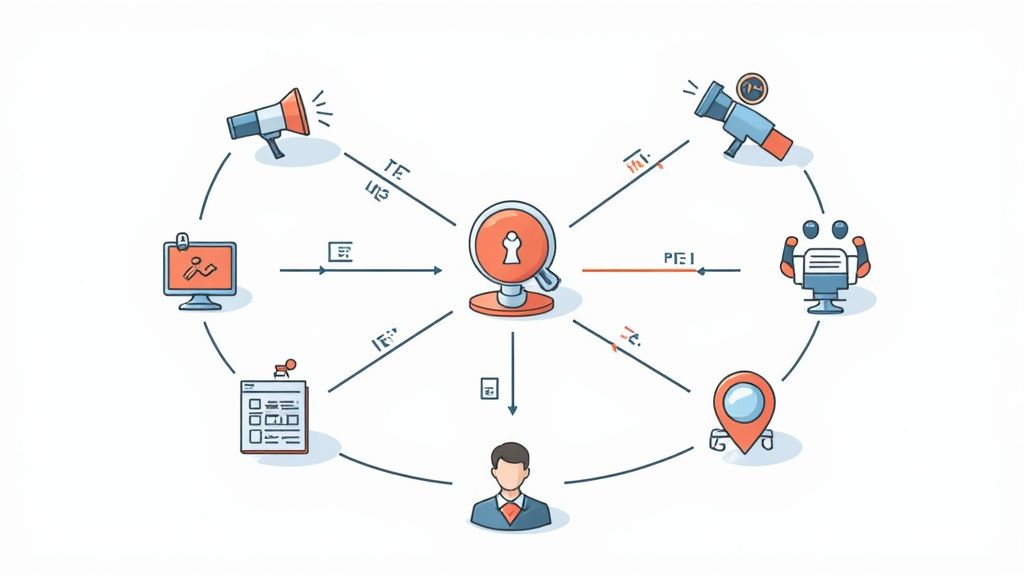 Good customer service goes beyond calling someone by name. Real personalization shows customers you understand who they are and what they need. When companies get this right, it helps build strong relationships and keeps customers coming back. Let's look at how successful businesses use their customer data thoughtfully to create meaningful personalized experiences.
Understanding the Value of Personalized Service
In a world filled with generic marketing emails and robotic service interactions, personalized experiences stand out. Think about getting a promotional email that feels like it was written just for you, mentioning products you've bought before and items you've browsed recently. That kind of personal touch shows customers they matter as individuals. The numbers back this up - studies show that customers who receive personalized service are nearly 50% more likely to buy again. They're also willing to spend more with companies that take the time to understand their needs.Gathering and Utilizing Customer Data
Creating truly personal experiences starts with understanding your customers through their data. Key information comes from:- Purchase history: Past purchases reveal interests and preferences
- Website browsing behavior: Page visits show current needs and potential future interests
- Customer service interactions: Previous questions and issues help predict future needs
- Customer feedback: Direct suggestions and complaints guide service improvements
Implementing Scalable Personalization Strategies
While personal service is valuable, it needs to work efficiently for many customers at once. Smart companies blend technology and human interaction to deliver personalized experiences at scale. For example, using a CRM system lets support agents quickly access customer details to provide relevant help. Companies also use AI-powered chatbots to handle common questions while making recommendations based on individual customer profiles. This mix of automation and human touch helps deliver consistently personal service as you grow.Measuring the Effectiveness of Personalization Efforts
To make sure your personalization efforts pay off, track these key metrics:- Customer satisfaction scores (CSAT): How happy are customers with their personalized experiences?
- Net Promoter Score (NPS): Would customers recommend your company based on their interactions?
- Conversion rates: Do personal recommendations lead to more sales?
- Customer retention rates: Does personalization keep customers coming back?